BRIGANDINE ABYSS Review
Addictive army building, a real new idea in Rally, and a Story Mode that repeats on you.
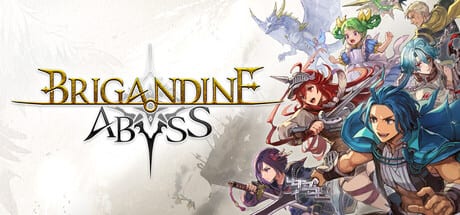
BRIGANDINE ABYSS is a $50 single-player grand-strategy SRPG from Adglobe, published by Happinet in Japan and NIS America in the West. It launched on Steam on 26 August 2026 and on Switch 2, PS5, and Xbox Series X|S on 27 August. There is no multiplayer. There is no story DLC announced as of launch week. This review is a synthesis of what RPGFan, RPG Site, RPGamer, Game8’s launch framing, and Anime News Network actually said—not a fake 9/10 with invented factions.
Verdict in one paragraph. If you already liked Brigandine or you want a long, menu-heavy war on Meltitea with hex battles and 100-plus units to tinker with, buy it. Rally is the genuine new idea. Mission Mode’s 24 win conditions are the mode critics kept recommending after Story Mode wore out. If you are a newcomer hoping for Fire Emblem pacing, polished cutscenes, and fair accuracy, you may bounce off the grind. About 30 hours for a first Story Mode path, 100 hours or more if you run all six, and more still if Mission Mode clicks.
What works
Army building is the hook. RPGamer called raising knights and monsters addictive. RPGFan got lost in assigning retinues and upgrading both leaders and creatures across a campaign. You are always one class item, one Command Point shuffle, and one Niffrom’s Market unlock away from a lineup that feels like yours. That loop is why people will live here for a hundred hours even when they complain.
Rally is the big new idea. A leader absorbs a monster for a trait and can Dismiss it later. RPG Site said the system can look broken; Lizard extra actions are the example everyone will copy. DualShockers (and the previews that fed launch coverage) treated Rally as the reason cluttered melee maps still have decisions. Our Rally System page exists because critics agreed this was the mechanical headline, not a side button.
Mission Mode saves the structure. Twenty-four factions, each with a distinct win condition: debts, monster collecting, tight season limits, class restrictions. RPGFan’s review is blunt that Mission Mode is the experimental sandbox and Story Mode is where repetition lives. If you like self-imposed Civilization rulesets, this is the mode.
Hex battles and the unit pile. Height, Zone of Control, three squads, five monsters, Command Points. The tactical layer is real even when maps are too big. ANN scored gameplay higher than presentation. RPGamer still enjoyed the fights as a showpiece when the army was worth showing. Rei Kondoh’s score (Fire Emblem: Three Houses, Bayonetta, Okami) is the audio bright spot RPGFan called out when portraits and motion-comic scenes were not.
Length, if you want length. Six Story Mode campaigns, a demo that already proved Gran Dragnica and Scarlet Will in two seasons, and Mission Mode on top. Game8’s storefront summary matches the box: six tales against Abyssloa, 24 Mission nations. You will not finish this on a weekend.
What does not
Story Mode gets repetitive. RPGFan described fighting four or five Invasions a season with the same win conditions on large, empty maps, then waiting an age for the next Event Battle. ANN said battles drag and lack personality, and that the new story focus is still mediocre writing. RPG Site bounced off Scarlet Will’s late plot and said they might have preferred no story. Event Battles try to vary objectives; there are not enough of them relative to the identical Attack/Invasion chores.
Presentation is cheap. Motion-comic cutscenes, generic class models for most named knights, portraits that both RPGFan and RPG Site called a step down from Legend of Runersia. ANN: cutscenes and new character designs feel flat; overall C, presentation C. Japanese voice acting commits to melodrama, which RPGamer treated as a taste test, not a prestige production.
Maps are large and empty. The continent war wants distance. Hex fights pay for that with walking. A handful of maps have walls or forts. Most do not. That is a design complaint, not a skill issue.
AI and accuracy are frustrating. RPG Site: Hard looks like hidden defense and miss chance, not smarter movement; thieves become magic-checks; enemies idle until you enter range. RPGamer: 75% swings feel worse than the number; AI charges healers and leaders into you, then sometimes works in tandem anyway. RPGFan: AI rarely uses Zone of Control to protect its own commanders. Play around it; do not expect a patch notes fantasy to have already fixed it on day one.
PC performance. RPG Site’s PC copy throttled even on low despite the game recommending max settings. Unreal Engine 5 backgrounds versus unimpressive units was their visual read. That complaint is part of the launch record. Console players still need to know Switch 2 is a locked 30fps by design, not a 60fps target Happinet missed by accident.
The class system is more limited than the pitch. Promotions at 10 and item-gated 20 are a shallower tree than some series fans hoped after the marketing around customization. Revival items restock every season, which RPG Site and RPGFan both said removes the old tension of scarce raises. Accessibility for some players; teeth pulled for others.
Score-style close
RPGFan landed at 70 with a “watered down for a broader audience” thesis. RPG Site gave it a 6 and would not easy-recommend it in its launch state. RPGamer’s 4.0/5 “Great” is the guilty-pleasure rave: jank included. ANN’s C overall with a B in gameplay is the newcomer warning: wait for a sale if you do not already love this franchise. Game8’s role was dates and $49.99, not a numeric score—the price is fifty dollars, not a budget impulse.
Recommend for series fans and grand-strategy SRPG players who will live in Organization, Rally, and Mission Mode. Caution for newcomers who bounce off grind, miss chance, and motion comics. Use Getting Started and How to Play if you are buying. Use the Guides Hub if you already own it. Use the Updates Hub for the real timeline: no Update 1.1, no Season Pass, no Abyssal Crisis, no World Tournament—those did not exist at launch.
Digital extras on Steam are a soundtrack and an artbook (Deluxe bundles on consoles too). Composer credit is Rei Kondoh. Developer credit is Adglobe, not a fictional Matrix Corporation. If you only play Story Mode once, thirty hours is the honest clock. If Rally clicks, you will still be here in October without needing a DLC announcement to justify it.
Frequently Asked Questions
Quick answers to common questions about BRIGANDINE ABYSS.
Is BRIGANDINE ABYSS worth $50?
Yes if you want a long, menu-heavy war with Rally and Mission Mode. No if you want a tight linear SRPG with prestige cutscenes. Critics split along that line; newcomers should try the demo first (no save transfer).
How long is the game?
About 30 hours for a first Story Mode campaign, 100 hours or more for all six, plus Mission Mode's 24 factions. There is no multiplayer to extend it.
What did reviews like versus dislike?
Likes: army building, Rally, Mission Mode, hex battles, huge unit pile, Kondoh's music. Dislikes: repetitive Story Mode, cheap presentation, empty maps, AI and accuracy, PC performance, limited classes, Switch 2 at 30fps.
Should a newcomer start with Story Mode or Mission Mode?
Story Mode teaches locked borders and Event Battles. Mission Mode is the better long-term sandbox according to RPGFan, but it assumes you already understand Organization. Newcomers: Story once, then Mission if the grind did not bounce you.