BRIGANDINE ABYSS Monsters Hub
Bind creatures, spend Command Points, and Rally the right trait.
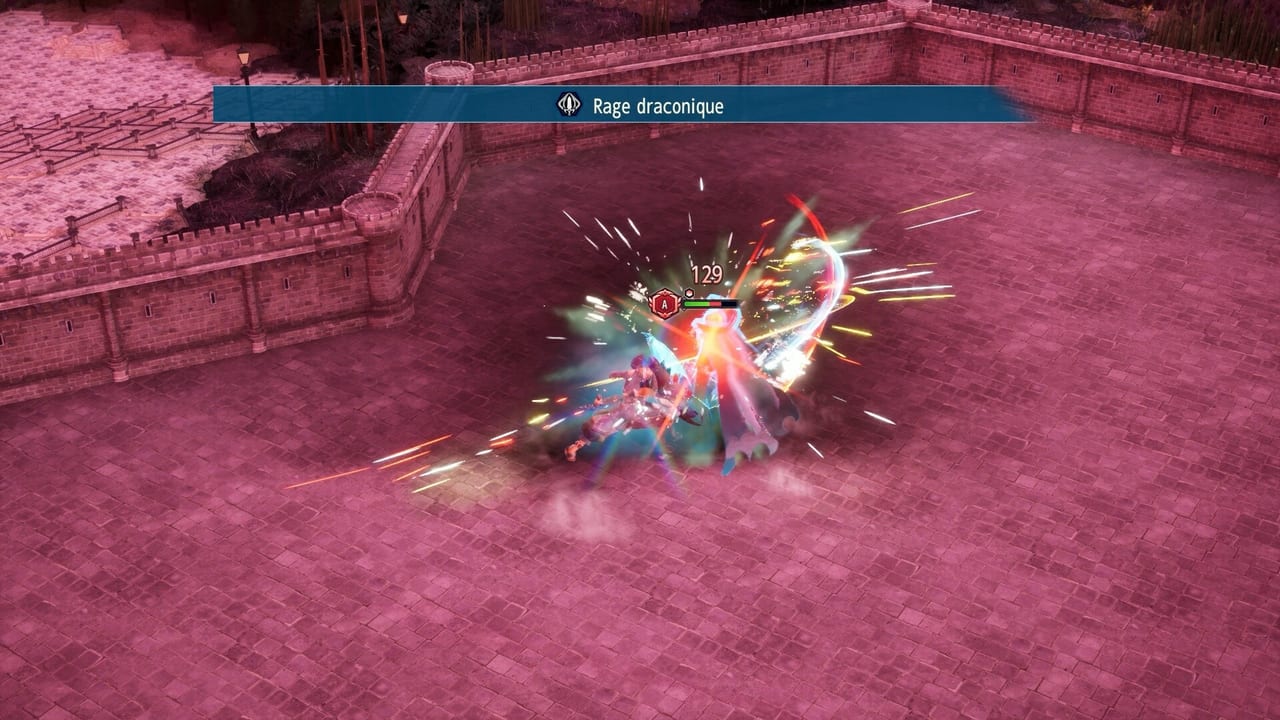
Monsters are not decorative pets in BRIGANDINE ABYSS. They are the bulk of every squad a human leader takes into an Invasion. You summon generic units at bases, bind them to knights, and spend Command Points that grow with the leader’s level. A knight can field up to five monsters if the pool allows. Class-upgrading a monster raises its Command Point cost, which is how a beloved five-unit squad becomes a three-unit squad after a successful training season.
Adglobe’s design also changed how those creatures behave compared with older Brigandine titles. Monsters can move independently of their leader and can link with other squads instead of being glued to one hex. Height now matters for range and movement; flying units ignore some of those restrictions. Rally lets a leader absorb one monster to steal its passive traits, then dismiss it back onto the field. This hub stays honest about names: reviews and official flavor confirm types such as dragons, unicorns, chimeras, ash wolves, vampires, kraken, mermaids, centaurs, lizardmen, kukrodolls, and dullahan. It does not invent unique monster titles that no review or official page has published.
Binding, summoning, and Fate Binding
During Organization you spend money and materials to put creatures on the roster. Fate Binding—covered in preview reporting—is the language for attaching monsters to a knight’s command. You can summon generic units at bases, recruit defeated leaders, spend extra to summon unique leaders, and pick up unique units from quests. Niffrom’s Market sells materials and gear while you organize; quests still matter because they drop materials shops do not carry, at the cost of occupying the leader you send. The Monster Summoning page walks through that loop in order. The Best Monsters page ranks by role—tank, flier, Rally battery, nuker—using those confirmed types as examples, not fake proper names.
Losing a monster in battle is painful but not always permanent. Reviews describe paying to resurrect fallen creatures after the fight, which is why you still feel the sting of a wipe without deleting a whole campaign’s best dragon. Taking out enemy monsters still matters: it weakens that nation for the next attack on the same castle.
Rally is a loadout, not a cutscene
Rally is the headline combat addition. A leader absorbs one monster, gains traits such as movement, counter, an element on attacks, defense, or an extra action, and gives up that creature as an independent fighter until you dismiss it. Dismiss returns the monster; some reports treat the dismiss as movement, which blocks spellcasting for many classes that cannot cast after they move. If the leader dies while a monster is rallied, that monster is at risk and can be lost with the squad. The lizard race trait that lets a leader take two turns in a row is among the strongest Rally batteries in published reviews. Read the Rally guide before you Rally a tank you still needed as a hex blocker.
Defeat the enemy leader and remaining monsters in that squad are forced to retreat. That rule is why Combat Tips keep telling you to hunt the human, not to farm every wolf. Your own squads follow the same logic: protect the knight, especially while something is rallied.
Confirmed types and where they show up
Story campaigns advertise identity through monster flavor. Gran Dragnica is associated with dragons. Scarlet Will is associated with unicorns. Pandemyuon is associated with chimeras. Mission Mode nations extend the zoo: ash wolves with Ebony Fang, vampires with Noble Enhance, kraken with Luon Hearts, mermaids with Centuria, centaurs with Kelmoon, lizardmen with Talentis, kukrodolls with Kuklock, dullahan with Delzia. Those names are faction labels, not an excuse to invent a ranked bestiary of unique boss titles. Use them as role hints: dragons as expensive Command Point sinks, lizards as Rally batteries, fliers as height answers, aquatic types as map-dependent picks.
Typical maps deploy three of your leader squads against three enemy squads. Story specials can throw six enemy squads at you, which is when cheap fillers and Rally discipline matter more than a single oversized dragon.
How to use this section
New commanders should still start with How to Play and pick a first campaign from the Faction Overview or Best Faction pages—Scarlet Will or Gran Dragnica, not a made-up kingdom. Knights and Command Points live in the Knights & Classes Hub and the Class System guide. When you want rankings, open the Monster Tier List and keep the Faction Tier List nearby so Mission Mode win conditions are not mistaken for a power ranking. Quests and Training is where unique recruits and class-change items actually come from.
Frequently Asked Questions
Quick answers to common questions about BRIGANDINE ABYSS.
How many monsters can a leader field at once?
Up to five if Command Points allow. The pool grows with leader level. Monster class upgrades raise CP cost, so you may have to drop units after a promotion.
Can monsters move without their knight?
Yes. Unlike older Brigandine games, monsters can move independently and can link with other squads. Height still affects ground movement; fliers ignore some of those limits.
What happens if I Rally a monster and the leader dies?
The rallied monster is at risk and can be lost with the squad. Rally is a trait loadout, not a safe storage slot. Dismiss before a doomed fight if you can.
Does this wiki list unique named monsters?
Only types confirmed in reviews and official flavor. Dragons, unicorns, chimeras, lizards, and other faction-flavored creatures are ranked by role, not by unsourced titles.